
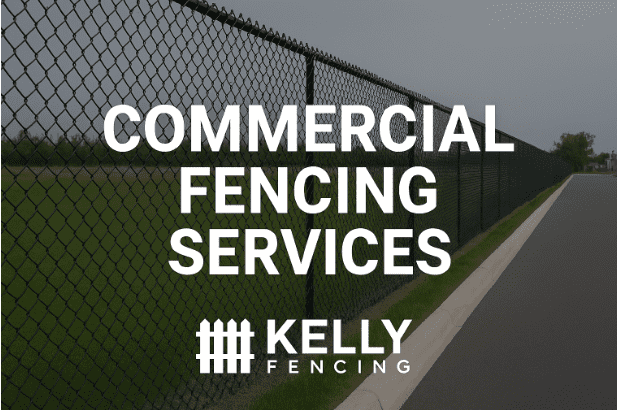
A commercial fence does a lot more than mark the edge of a property. For some businesses, it helps control access and protect equipment. For others, it creates a safer environment for employees, tenants, or customers. In many cases, it also affects how the property looks from the street, which matters more than most owners expect. That is why choosing a commercial fence is less about picking a material and more about matching the fence to the job it needs to do. Here is what to consider before making that decision.
Start With the Real Goal
“Need a fence” sounds simple. It usually is not. A warehouse may need perimeter security and clear visibility. A retail property may care more about appearance and guiding foot traffic. A construction site may only need a temporary solution that goes up fast and comes down just as quickly. Before comparing materials, get clear on the priority. In most commercial projects, it comes down to one or more of these:
- Security
- Access control
- Privacy
- Appearance
- Durability
- Budget
- Speed of installation
The right fence is the one that solves the biggest problem first.
Common Types of commercial fencing and Where They Work Best
Not every commercial fence fits every property. Here is a practical breakdown of the most common options.
chain-link fencing
Chain link is often the first choice for businesses that want dependable security without overspending. It is durable, cost-effective, and keeps visibility high, which can be a plus for monitoring activity around the property. That makes it a strong fit for warehouses, storage yards, industrial sites, schools, and utility areas. It is also more flexible than people think. Privacy slats, security toppers, and gated entry points can make a basic chain link fence work harder for the site. Best for:
- Warehouses
- Storage lots
- Equipment yards
- School grounds
- Construction staging areas
Iron Fencing
When appearance matters just as much as perimeter control, ornamental iron-style fencing is often the better fit. These fences offer a more polished look while still creating a strong boundary. You will often see them around office buildings, multifamily properties, medical offices, churches, and commercial spaces where first impressions count. They are a good option when you want the property to feel secure without looking closed off. Best for:
- Office properties
- Professional buildings
- HOAs and multifamily properties
- Customer-facing businesses
- Sites where curb appeal matters
Temporary Fencing
Temporary fencing solves a different problem: short-term site control. It is useful for construction projects, renovation work, special events, emergency response, and any situation where conditions are changing. The big benefit is speed. You can secure a site quickly without committing to a permanent installation before the project is ready.
Best for:
- Construction sites
- Remodels
- Public events
- Emergency closures
- Short-term access control
What Business Owners Often Overlook
Here is where fence decisions get more interesting. Many owners focus on material first. In reality, layout and function usually matter just as much. A fence that looks good on paper can create daily headaches if it ignores how the property actually operates. A few questions worth asking before installation: How will employees, vendors, or delivery vehicles move through the site? Where do you need gates, and how often will they be used? Do you need visibility for security cameras or line-of-sight monitoring? Would privacy help, or would it create blind spots? Is the fence being installed for everyday operations, after-hours security, or both? A good commercial fence should support the flow of the property, not fight against it.
Security Is Only Part of the Story
Yes, fencing helps deter trespassing and unauthorized access. That part is obvious. What matters just as much is control. A well-planned commercial fence helps define where people should enter, where vehicles should stop, and which areas stay restricted. It creates structures around the property. For businesses with expensive equipment, outdoor storage, or high foot traffic, that structure can reduce risk and make the site easier to manage. Fencing also works best when it is part of a larger setup. Gates, lighting, cameras, and access controls often do more together than any one system can do alone.
Curb Appeal Still Counts
Commercial fencing is not only about keeping people out. For many properties, the fence is one of the first things customers, tenants, or visitors see. A worn-out or mismatched fence can make the whole property feel neglected. A clean, well-designed fence can do the opposite. It can make the site look more organized, more professional, and better maintained. That matters for office buildings, storefronts, apartment communities, and any business where appearance affects trust. Not every project needs a decorative fence. But every project benefits from a fence that looks like it belongs there.
What Works Well in the Pacific Northwest
In Pierce and Kitsap counties, weather is always part of the conversation. Moisture, wind, and seasonal wear can shorten the life of lower-quality materials or expose weak installation work faster than expected. That is one reason commercial fencing should be chosen with long-term maintenance in mind, not just upfront cost. A fence that is cheaper to install but harder to maintain may not stay cheaper for long.
When It Makes Sense to Call a Local Fence Contractor
Commercial fencing projects usually have more moving parts than residential ones. There may be gate access, larger site layouts, safety concerns, scheduling issues, or temporary needs during active work. That is where local experience helps. A contractor who regularly handles commercial projects in Pierce and Kitsap counties can help property owners think through layout, material selection, site conditions, and practical use, not just installation day. Kelly Fencing works with both residential and commercial clients across the region, and commercial projects often benefit most from that on-the-ground familiarity. Local conditions, site access, and long-term durability all matter more when the fence is tied to business operations.
Final Thought
The best commercial fence is not always the heaviest, the most expensive, or the most decorative. It is the one that fits the property, supports the way the site functions, and holds up over time. For some businesses, that will be chain link. For others, ornamental iron makes more sense. And for temporary needs, a short-term solution may be the smartest move. The point is to choose based on use, not guesswork. If you are planning a commercial fencing project in Pierce or Kitsap County, start by looking at how the property works day to day. That will usually tell you more than any product brochure ever will.
Related Services from Kelly Fencing: