
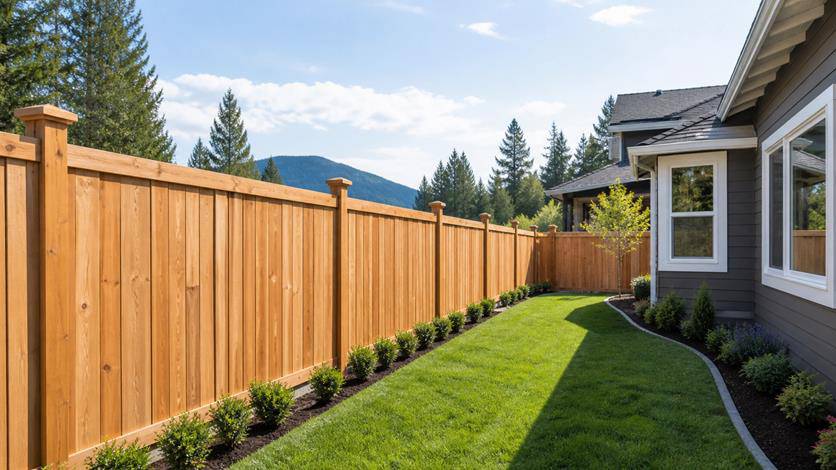
If you’re planning a new fence, one of the first questions is usually the same: How much is this going to cost?
The short answer is that fence installation cost in Washington can vary quite a bit depending on the type of fence, the size of the property, the terrain, and the amount of labor involved.
For many residential projects, homeowners can expect professional installation to fall somewhere around $24 to $65 per linear foot. Basic chain link may come in lower, while cedar, vinyl, composite, or custom ornamental fencing can cost more.
That is a wide range, but there is a reason for it. A 100-foot fence on flat ground with easy access is a very different project from a 250-foot privacy fence that runs across slopes, tree roots, and tight side-yard access.
For homeowners in Pierce and Kitsap counties, understanding what drives the price can make budgeting much easier.
What Is the Average Cost to Install a Fence in Washington?
The cost to install a fence in Washington often depends more on the details of the property than the statewide average.
As a general planning guide, a typical residential fence project might cost anywhere from $3,500 to $10,000 or more.
For example, a 150-foot fence installed at $40 per linear foot would come to roughly $6,000 before any additional work such as old-fence removal, custom gates, grading, or difficult access.
A simple way to create an early budget is:
Fence length × estimated cost per linear foot = rough project cost
This gives you a place to start, but it should not be treated as a final estimate. A walk-through of the property is what turns a rough number into a real one, which is why our fence installation and building quotes are always based on the site itself.
Fence Installation Pricing in Washington by Material
Material is usually the biggest factor affecting fence installation pricing in Washington.
Here is how some of the most common fence types compare.
| Fence Material | Typical Installed Cost (per linear foot) | Best For | Maintenance |
|---|---|---|---|
| Chain Link (galvanized) | $18 – $28 | Large lots, pets, boundaries, utility areas | Low |
| Chain Link (black vinyl-coated) | Higher than galvanized | Same uses, with a cleaner look | Low |
| Cedar | $32 – $65 | Backyard privacy, curb appeal | Moderate (stain or seal) |
| Vinyl | $40 – $65 | Privacy with minimal upkeep | Low |
| Composite | Upper end of residential pricing | Wood look, less routine care | Low |
| Ornamental Steel / Aluminum | Varies widely by style | Front yards, pools, gardens, commercial | Low |
Chain Link Fence

Chain link is often one of the most affordable options, especially for larger yards.
A standard galvanized chain-link fence may cost roughly $18 to $28 per linear foot installed, while black vinyl-coated chain link can cost more.
Chain link works well for:
- Pet enclosures
- Large residential lots
- Side yards
- Property boundaries
- Utility areas
- Commercial properties
It is also relatively easy to maintain, which makes it appealing for homeowners who want function without much ongoing upkeep. If you are weighing it against other options, our guide on whether a chain link fence is right for your home or business goes deeper into the tradeoffs.
The main tradeoff is privacy. Standard chain link keeps a property enclosed but does little to block the view.
Cedar Fence
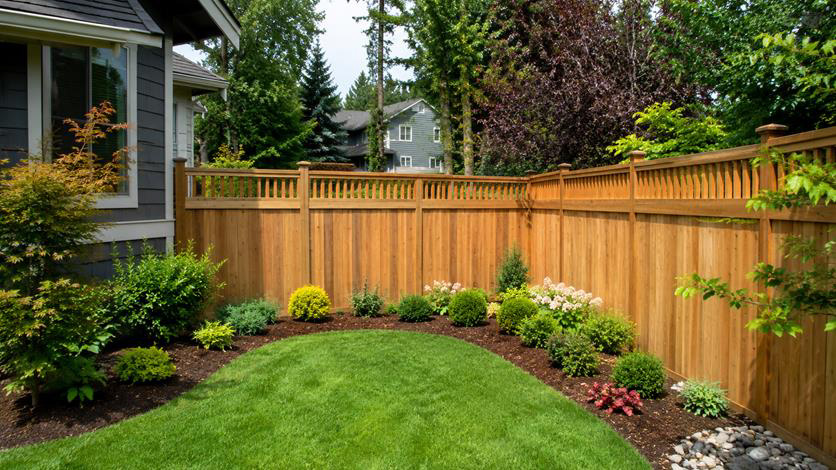
Cedar continues to be a popular choice throughout Western Washington.
It fits the natural look of the region, provides excellent privacy, and can be built in several styles, from traditional vertical boards to modern horizontal designs. You can see examples of our residential wood fencing work and the finishes homeowners choose most often.
For many projects, cedar fencing may fall somewhere around $32 to $65 per linear foot, although premium lumber, custom designs, decorative details, and difficult terrain can increase that number.
A cedar fence is often a good fit when:
- Backyard privacy is important
- Curb appeal matters
- Nearby homes are close together
- You want a natural look
- The fence will be highly visible from the street
Cedar does require more care than chain link. Staining or sealing can help preserve its appearance and reduce weathering over time.
Vinyl Fence
Vinyl is another option for homeowners who want privacy with less maintenance than wood.
Depending on the style and height, vinyl fencing may cost roughly $40 to $65 per linear foot, with premium designs costing more.
Vinyl does not require regular staining or painting, which can make it attractive to homeowners who want a cleaner, lower-maintenance solution.
Composite Fence
Composite fencing is usually priced toward the higher end of the residential market.
It offers a wood-like appearance with less routine maintenance, but material costs can be significant. Pricing also varies depending on the manufacturer, panel design, post system, and installation requirements.
If you are considering composite, it is worth getting a project-specific quote rather than relying on a general per-foot estimate.
Ornamental Metal Fence
Ornamental steel and aluminum fences are commonly used where appearance and visibility matter.
You may see them around:
- Front yards
- Gardens
- Pools
- Multifamily properties
- Commercial buildings
Costs vary considerably depending on the material, fence height, finish, panel style, and gate design. Browsing our project gallery is a quick way to see how different styles look once they are installed.
What Affects Residential Fence Installation Cost?
The residential fence installation cost for two similar-sized properties can still be very different.
Here are some of the main reasons why.
Fence Length
This one is fairly straightforward.
A longer fence requires more posts, panels, concrete, hardware, and labor. That said, a short project with multiple gates or complicated corners can sometimes cost more per foot than a long, straight fence line.
Fence Height
A six-foot privacy fence requires more material and structural support than a four-foot boundary fence.
Taller fences may also require deeper post holes, stronger posts, or different installation methods.
Gates
Gates can have a bigger impact on price than homeowners expect.
A basic walk gate is relatively simple. A wide driveway gate, double gate, or custom steel-framed gate requires more material, heavier hardware, and additional installation time.
When comparing estimates, make sure you know whether gate pricing is included.
Removing an Old Fence
If there is already a fence on the property, demolition and disposal may add to the cost.
Old concrete footings can be especially time-consuming to remove. Access also matters. If crews cannot easily get equipment to the work area, more of the removal may need to be done by hand.
Slopes
Western Washington is not exactly known for perfectly flat yards.
A sloped property may require stepped fence sections, custom board cuts, grading, or adjustments to keep the fence looking consistent.
That extra work can increase labor costs.
Soil and Drainage
Wet soil, rocky ground, tree roots, and drainage issues can all affect installation.
Posts are the foundation of the fence, so proper placement and footing depth are especially important in our climate.
A fence that looks great on day one does not help much if it begins leaning a few winters later.
Access to the Property
Easy access can make installation more efficient.
Narrow walkways, steep hills, retaining walls, stairs, and waterfront lots may require crews to carry materials farther or use smaller equipment.
These site conditions can affect the final price. Knowing what to expect during a professional fence installation makes it easier to see where those hours actually go.
Why the Lowest Fence Quote Is Not Always the Best Deal
Fence estimates can look similar at first glance, but the materials and construction methods behind them may be very different.
A lower quote may use:
- Thinner fence boards
- Lower-grade lumber
- Lighter gate hardware
- Smaller posts
- Wider post spacing
- Less concrete
- Fewer finishing details
That does not automatically mean the quote is bad. It simply means homeowners should compare what is actually included.
A good estimate should explain the material, height, post system, gate hardware, demolition work, cleanup, and any other important parts of the project.
That makes it much easier to compare one fence company in Washington with another. It also helps to remember that a well-built fence is an investment in the property — something we covered in can a fence really increase property value?
How Much Does a Cedar Fence Cost Compared With Chain Link?
For most properties, chain link will cost less than cedar.
That is one reason chain link is common for large boundaries, dog runs, commercial areas, and properties where privacy is not the main goal.
Cedar usually costs more, but it offers something chain link cannot: privacy and a more finished residential appearance. For a side-by-side breakdown, see our full comparison of chain link fence vs. cedar fence for Washington homes.
The better option depends on what you are trying to accomplish.
For example, chain link may be a practical choice along the side or back of a large property. Cedar may make more sense around a patio, backyard, or area that is visible from neighboring homes.
In some cases, homeowners even use a combination of materials to keep costs under control. If you are after privacy without overspending, these creative fencing ideas for privacy and curb appeal are worth a look.
What About Commercial Fence Installation?
Commercial projects often have different requirements than residential ones.
A commercial fencing company in Washington may work with warehouses, schools, multifamily properties, storage yards, retail sites, office buildings, and construction projects.
Commercial fence pricing can depend on:
- Larger gate openings
- Vehicle access
- Security requirements
- Fence height
- Reinforced posts
- Temporary fencing needs
- Access-control systems
- Larger total footage
For that reason, commercial estimates are usually best handled on a site-by-site basis. Our commercial fencing guide for Pierce and Kitsap County businesses covers the planning side in more detail, and if security is the priority, this look at commercial fencing: security vs. aesthetics will help.
Do You Need a Permit for a Fence in Washington?
Fence rules can vary depending on the city, county, and property.
Requirements may cover:
- Fence height
- Setbacks
- Corner visibility
- Easements
- Shoreline areas
- Pools
- Roads and driveways
HOAs may also have their own design or height restrictions.
Before installation, it is a good idea to confirm which rules apply to your specific property.
How to Budget for a New Fence
If you are early in the planning process, start with the basics.
Measure the approximate fence line and decide which material you prefer. Then think about how many gates you need and whether the existing fence needs to be removed.
It also helps to separate the things you really need from the upgrades you simply like.
For example, a standard cedar privacy fence may meet your needs without decorative caps, premium-grade boards, or a complicated horizontal design.
A little flexibility can make a noticeable difference in the final budget. It is also worth weighing the benefits of installing a fence around your property against the spend before you commit to a material.
Choosing a Residential Fence Contractor in Kitsap County
If you are looking for a residential fence contractor in Kitsap County, price is important, but it should not be the only consideration.
Local experience can matter just as much.
Properties in Kitsap County can include sloped yards, heavily wooded lots, narrow access areas, waterfront conditions, and plenty of moisture. Those factors can affect both installation and long-term performance.
A contractor familiar with the area should be able to explain how the property affects the project instead of simply giving you a price per foot. You can see the full range of what we handle on our fencing services page.
The same is true in Pierce County, where property types can range from compact suburban lots to larger rural parcels and commercial sites.
Getting an Accurate Fence Estimate
Online pricing guides are useful for setting expectations, but they cannot account for every detail of a property.
The best way to understand the real fence installation cost in Washington is to have the site evaluated.
A contractor can look at:
- Total footage
- Terrain
- Gate locations
- Existing fencing
- Access
- Soil conditions
- Fence height
- Material preferences
That gives you a much more realistic number than an online calculator can provide.
Kelly Fencing installs residential and commercial fencing throughout Pierce and Kitsap counties and can help homeowners compare options based on the property, budget, and intended use of the fence. Contact us for a free, site-specific fence estimate.
Final Thoughts
So, how much should you budget for a new fence?
For many residential projects, fence installation pricing in Washington may fall somewhere between $24 and $65 per linear foot, with basic chain link coming in lower and premium or custom fencing costing more.
The final number depends on much more than material.
Fence length, height, gates, terrain, demolition, access, and site conditions all play a role.
If you are comparing estimates, focus on what is included as much as the final price. A fence is a long-term part of your property, so good materials and proper installation are worth factoring into the decision.
For homeowners in Pierce or Kitsap County, a site-specific estimate is the best way to understand what your project will actually cost.
Fence Installation Cost in Washington: FAQs
How much does fence installation cost per linear foot in Washington?
Most residential fence installation in Washington falls between $24 and $65 per linear foot. Galvanized chain link is usually at the lower end at roughly $18 to $28 per linear foot, while cedar runs about $32 to $65 and vinyl about $40 to $65. Composite and custom ornamental fencing typically price above that range.
What is the cheapest type of fence to install?
Galvanized chain link is generally the most affordable fence to install, which is why it is common on large lots, dog runs, side yards, and utility areas. The tradeoff is privacy — standard chain link encloses a property without blocking the view.
How much does a 150-foot fence cost in Washington?
At $40 per linear foot, a 150-foot fence works out to roughly $6,000 before extras. Old-fence removal, custom or driveway gates, sloped ground, and difficult site access are all added on top of that base figure.
Do you need a permit to build a fence in Washington?
It depends on the city, county, and property. Local rules may govern fence height, setbacks, corner visibility, easements, shoreline areas, pools, and proximity to roads and driveways, and an HOA may add its own design or height restrictions. Confirm the requirements for your specific address before installation begins.
Is a cedar fence worth the extra cost over chain link?
It depends on the goal. Cedar costs more but delivers privacy and a finished residential look, which matters around patios, backyards, and anywhere visible from neighboring homes. Chain link is the practical choice for large boundaries and utility areas. Many homeowners combine both to control the overall budget.
Why do fence quotes vary so much between contractors?
Quotes differ because of what is behind them: board thickness, lumber grade, post size and spacing, concrete volume, gate hardware, demolition and cleanup, and finishing details. A lower price is not automatically a worse deal — but the estimates need to be compared line by line, not just by the bottom number.